
Diabetic Foot Care: A Daily Checklist to Prevent Complications
Diabetes commonly causes peripheral neuropathy, reducing sensation in the feet, and peripheral arterial disease, which slows wound healing.
Read More
--(3-x-1-in).jpg)



A small cut, a blister from new shoes, or a minor scrape can seem like nothing to worry about at first. But when a wound on your foot starts looking different, redder, more swollen, or simply not healing the way it should, it may be signaling something that deserves closer attention.
Foot infections are more common than many people realize, and they can develop quickly. Because feet are constantly exposed to pressure, friction, and environments where bacteria and fungi thrive, even a minor injury can become an infected foot if not properly cared for. Knowing what to look for, and when to act, can make a significant difference in your recovery and long-term foot health.
Foot infections typically develop when bacteria, fungi, or other pathogens enter the skin through a break or wound. Common causes include cuts and scrapes that are not properly cleaned, blisters that break open, ingrown toenails, and wounds or ulcers that fail to heal. Fungal infections like athlete's foot are also a frequent cause, particularly in people whose feet remain damp for extended periods or who walk barefoot in public spaces like gyms or pool areas.
Foot infection symptoms can vary depending on the cause and severity, but some signs are consistent across most types of infection. If you notice any of the following, your foot may be infected:
These signs of infection on foot should not be ignored, especially if more than one is present at the same time.
Some symptoms go beyond a typical infection and signal that the condition may be spreading or becoming serious. Seek prompt medical attention if you notice:
These are signs of an infected foot that has progressed and should be evaluated by a podiatrist as soon as possible.
Knowing how to tell if your foot is infected often comes down to one key distinction: improvement vs. progression. A healing wound will show mild redness and slight swelling in the first day or two, followed by gradual improvement.
The signs of an infected foot are usually clear when symptoms worsen instead of improve, pain intensifies, redness spreads, or new signs appear. If that is the case, professional evaluation is the right next step.
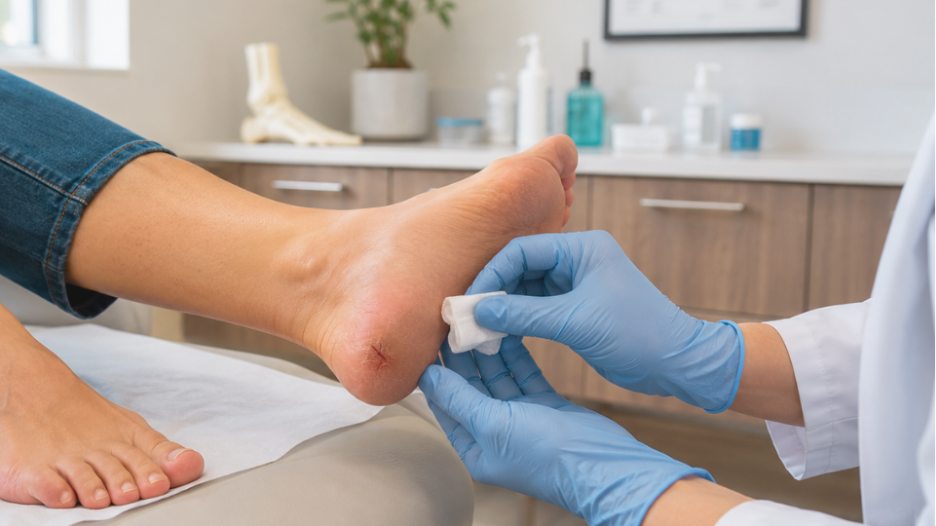
While anyone can develop a foot infection, certain conditions make them more likely and more serious, particularly diabetes, peripheral artery disease, weakened immune systems, and older age.
For people with diabetes, reduced circulation and nerve damage can make it difficult to feel a wound or notice early infection signs, allowing the condition to progress before it is even detected. The CDC notes that an untreated foot infection in diabetic patients can lead to serious complications, making early professional evaluation essential.
An infected foot responds best to professional care tailored to the specific type and severity of infection. A podiatrist can accurately diagnose the cause and recommend the most appropriate course of treatment, which may include:
Early treatment is key to preventing the infection from spreading to deeper tissues, bones, or joints. To learn more about professional wound care options, visit our Wound Care services page.
Foot infections benefit from early professional attention. Consider scheduling an evaluation if:
An infected foot is a condition that responds well to timely, professional care. The earlier an infection is identified and treated, the lower the risk of complications and the faster the path to recovery. Do not wait for symptoms to worsen before seeking help, your feet carry you through every part of your day, and they deserve the right attention.
If you are concerned about a wound or infection on your foot, the team at Foot and Ankle Specialists The Woodlands is here to help. Visit one of our locations in The Woodlands, Houston, and Huntsville, or book an appointment online to take the next step toward healthier, pain-free feet.

Diabetes commonly causes peripheral neuropathy, reducing sensation in the feet, and peripheral arterial disease, which slows wound healing.

Discover expert tips to prevent sports injuries and manage flat feet ache. Learn how proper footwear, stretches, and professional care from Foot & Ankle Specialists