
Diabetic Foot Care: A Daily Checklist to Prevent Complications
Diabetes commonly causes peripheral neuropathy, reducing sensation in the feet, and peripheral arterial disease, which slows wound healing.
Read More
--(3-x-1-in).jpg)
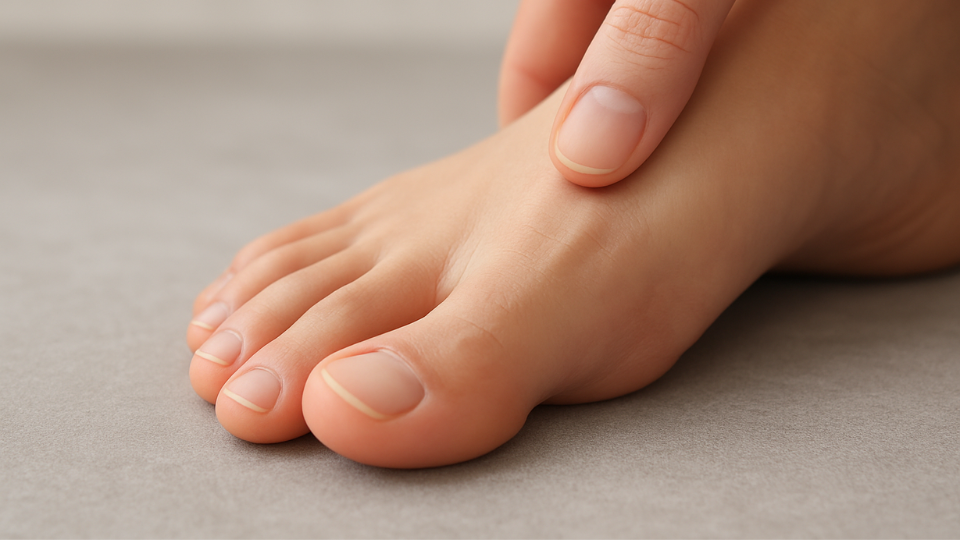


Toenail pain is most often linked to ingrown nails, but many patients experience discomfort even when the nail edge looks completely normal. If the side of your toenail hurts but it’s not ingrown, the cause may come from inflammation, pressure, fungus, skin irritation, or issues beneath the nail. Understanding these possibilities helps you find the right treatment and prevent the problem from worsening.
In this blog, we explain why your toenail might hurt when pressed, the most common underlying causes, and when it’s best to see a podiatrist.
Even when the nail isn’t ingrown, the nail bed, surrounding skin, or tissues beneath the nail can become irritated. This can make the toenail hurt when pressed, especially in shoes or during walking. Pressure-related nail pain often comes from inflammation, infection, trauma, or changes in the nail’s structure.
In many cases, the toenail hurts when pressed but is not ingrown because the source of pain is not the nail edge itself but the sensitive tissues beneath or around it. Identifying what’s causing the irritation is the first step toward proper treatment.
Here are the most frequent reasons the side of the toenail hurts even when it’s not ingrown:
Stubbed toes, dropped objects, tight shoes, or long-distance walking can inflame the nail bed. This is a common reason the side of the toe hurts (not ingrown) and why pressing on the nail triggers pain.
Fungal infections can develop beneath the nail, causing thickening or separation from the nail bed. This often makes the toe nail hurt when pressed, even before you notice discoloration.
Paronychia is a bacterial or yeast infection of the skin beside the nail. It causes redness, swelling, and tenderness and can make the side of the toenail hurt, not ingrown.
Nail psoriasis or eczema affects the nail matrix and surrounding tissue. Pitting, ridging, stiffness, and inflammation can all make the toenail sensitive to pressure.
A benign bone growth under the nail can push upward, causing sharp pain with pressure. This condition always requires podiatric evaluation.
Nails thickened from aging, earlier trauma, or fungus may create intense pressure on the nail bed. This can cause pain during walking or when pressing on the nail.
When the nail lifts from the nail bed, sensitivity develops as air, moisture, or debris enter the space beneath the nail.
Neuropathy, nerve irritation, or nerve compression can cause burning, tingling, or sharp nail pain, even when the nail itself looks normal.
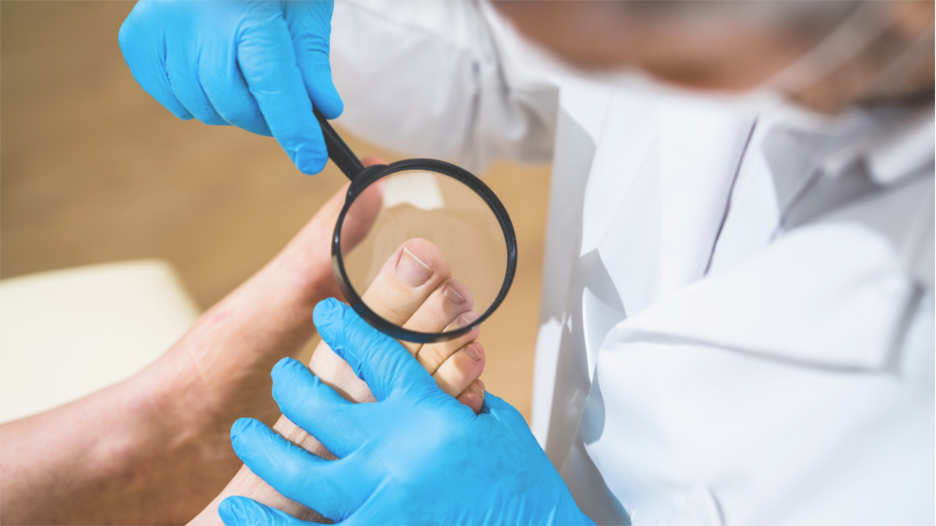
While ingrown nails cause sharp pain along the nail border, non-ingrown nail pain behaves differently. The pain usually:
If the side of the toenail hurts but it’s not ingrown, the cause may be deeper inflammation or irritation rather than the nail edge itself.
For mild nail discomfort, these steps may help:
These simple strategies may help when the toenail hurts when pressed but is not ingrown, but they are not a substitute for professional care if symptoms continue.
Professional evaluation is recommended if you experience:
A podiatrist can assess the nail, check for fungus or bacteria, thin a thickened nail, prescribe medication, or rule out deeper conditions like bone spurs or neuropathy.
Depending on the diagnosis, treatment may include:
Prompt care helps prevent long-term pain or nail deformity.
Toenail pain without an ingrown nail is common, but it should never be ignored. Whether the side of your toenail hurts but it’s not ingrown or your toenail hurts when pressed, understanding the cause early helps protect your nail health and prevents complications.
Book and appoinment today with FAS The Woodlands and get expert care for persistent toenail pain.
📍 Serving The Woodlands, Huntsville, and Houston.
Diabetes commonly causes peripheral neuropathy, reducing sensation in the feet, and peripheral arterial disease, which slows wound healing.

Discover expert tips to prevent sports injuries and manage flat feet ache. Learn how proper footwear, stretches, and professional care from Foot & Ankle Specialists