
Diabetic Foot Care: A Daily Checklist to Prevent Complications
Diabetes commonly causes peripheral neuropathy, reducing sensation in the feet, and peripheral arterial disease, which slows wound healing.
Read More
--(3-x-1-in).jpg)
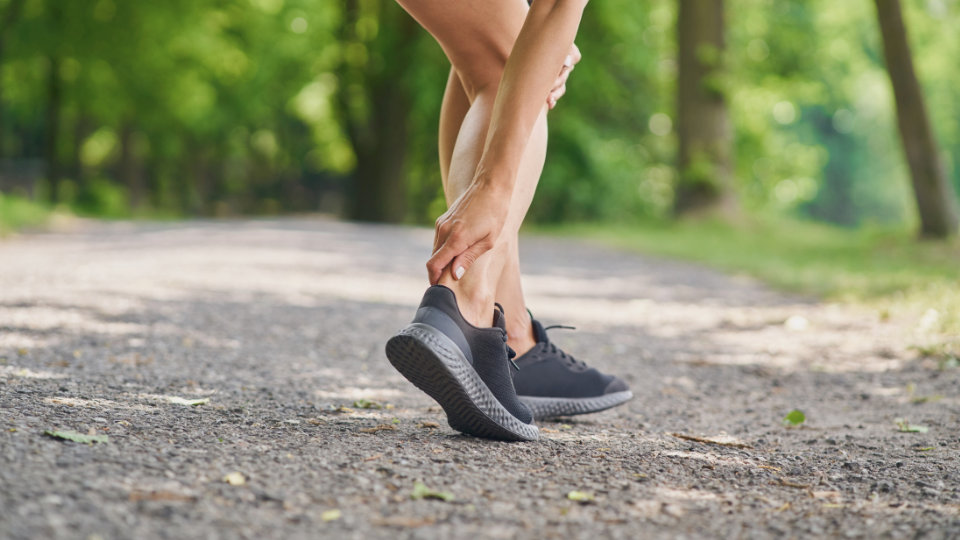


Experiencing discomfort in the back of the ankle during or after a run is a common frustration for runners of all levels. Because the Achilles tendon plays a critical role in propulsion and shock absorption, even minor strain can quickly turn into ongoing pain if ignored. Achilles pain when running is often a sign that the tendon is being overloaded or not given adequate time to recover.
Understanding why this pain develops, what warning signs to watch for, and how to prevent it from worsening can help runners stay active while protecting long-term tendon health.
The Achilles tendon connects the calf muscles to the heel bone and absorbs significant force with every stride. During running, this force increases dramatically, especially during push-off and uphill movement. When training intensity, mileage, or terrain changes too quickly, the tendon may not adapt fast enough.
Over time, repeated micro-stress can lead to irritation, stiffness, and pain. Poor recovery, limited flexibility, and biomechanical inefficiencies can further increase strain on the tendon, making discomfort more likely to appear during or after runs.
Several factors can contribute to running pain achilles, often in combination rather than isolation:
These stressors can gradually weaken the tendon’s ability to handle load, especially if rest and recovery are insufficient.
Achilles injuries often develop gradually. Early symptoms may seem mild at first but can signal a developing problem. Common warning signs include:
Persistent achilles pain running should never be dismissed as “normal soreness,” especially if symptoms worsen with continued training.
Not all Achilles pain presents the same way. Some runners develop discomfort in the middle portion of the tendon, while others experience pain closer to the heel where the tendon inserts into the bone. Inflammation of nearby structures, such as bursae, can also contribute to symptoms.
These variations fall under the broader category of achilles tendon problems running, and identifying the specific type helps guide appropriate treatment and recovery strategies.
Limited flexibility in the calf muscles places additional strain on the Achilles tendon with each stride. When the calves are tight, the tendon must absorb more force to compensate, increasing the risk of irritation and breakdown.
Runners who experience a tight achilles tendon while running often notice increased stiffness early in runs or after rest, signaling the need for targeted stretching and mobility work.

Preventing tendon issues starts with managing training load and supporting healthy movement patterns. To reduce the risk of achilles injury running, runners should focus on:
These strategies help improve tendon resilience and reduce unnecessary strain over time.
If Achilles discomfort develops, early recovery strategies can help reduce strain on the tendon and prevent the issue from worsening:
These steps are often effective when addressed early and combined with proper footwear and training adjustments.
You should consider professional evaluation if:
A comprehensive sports injury evaluation can help determine the cause of Achilles pain and guide treatment before the condition becomes more severe.
Achilles discomfort is common among runners, but it doesn’t have to become a long-term setback. Early recognition, smart training adjustments, and proper support can make a significant difference in recovery and prevention.
If Achilles pain is affecting your ability to run comfortably, FAS The Woodlands provides expert podiatric care for runners in The Woodlands, Huntsville, and the greater Houston area. Book an evaluation online to identify the cause of your symptoms and receive a personalized treatment plan focused on recovery and injury prevention.

Diabetes commonly causes peripheral neuropathy, reducing sensation in the feet, and peripheral arterial disease, which slows wound healing.

Discover expert tips to prevent sports injuries and manage flat feet ache. Learn how proper footwear, stretches, and professional care from Foot & Ankle Specialists