
Corns and Calluses: Causes, Treatment, and Prevention
Corns and calluses are among the most common foot concerns we see, and while they are often dismissed as a minor nuisance
Read More

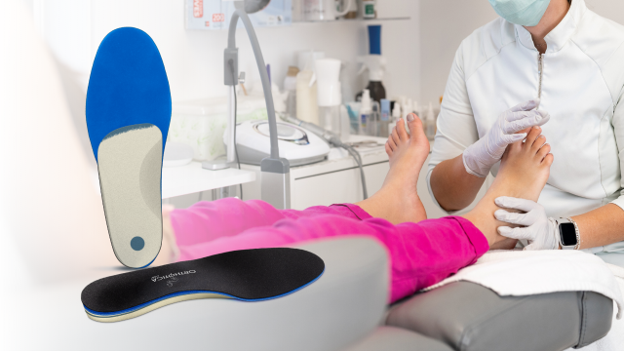


Custom orthotics are among the most effective tools available for managing a wide range of foot and ankle problems, yet they are often confused with the generic inserts sold in stores. At Foot and Ankle Specialists of The Woodlands, our approach is to diagnose the underlying cause of a patient's symptoms and then determine whether a custom device is the right way to address it, rather than treating pain in isolation.
Custom orthotics are prescription devices that are designed and fabricated for an individual patient's feet, based on a thorough clinical evaluation of foot structure, alignment, and walking pattern. They fit inside the shoe and are intended to support the foot, improve its function, and redistribute pressure away from painful or vulnerable areas.
Over-the-counter inserts are mass-produced in standard sizes and may provide general cushioning or arch support, which can be sufficient for some individuals. Custom orthotics, by contrast, are made from a model of the patient's own feet and are prescribed to address a specific diagnosis, which makes them better suited to persistent pain, structural problems, and conditions in which precise support matters.
Orthotics may be recommended as part of a treatment plan for patients with:
It is common for orthotics to feel unfamiliar at first, and a gradual break-in period is often recommended. Orthotics are most effective as part of a broader plan that may include appropriate footwear, stretching or strengthening, and activity modification, and they are not a substitute for evaluating the underlying problem.
Schedule an evaluation if you have persistent foot, heel, or arch pain, if over-the- counter inserts have not provided relief, or if you have a known foot deformity or a condition such as diabetes in which pressure management is important. Our expert providers use advanced diagnostics to determine whether custom orthotics are appropriate and to address the cause, not just the symptoms.
With decades of combined experience, our team is proud to serve The Woodlands, Houston, and Huntsville. Book an appointment with Foot and Ankle Specialists of The Woodlands and stay a step ahead of foot pain.
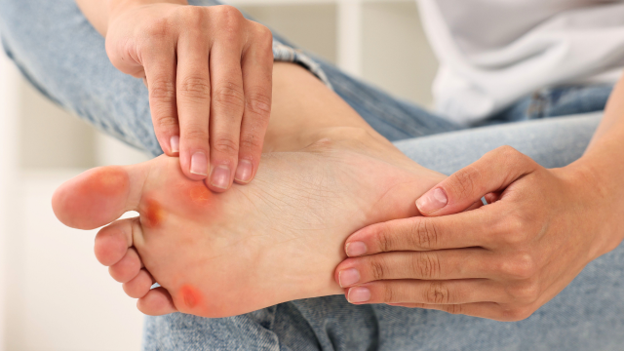
Corns and calluses are among the most common foot concerns we see, and while they are often dismissed as a minor nuisance

Diabetes commonly causes peripheral neuropathy, reducing sensation in the feet, and peripheral arterial disease, which slows wound healing.