
Diabetic Foot Care: A Daily Checklist to Prevent Complications
Diabetes commonly causes peripheral neuropathy, reducing sensation in the feet, and peripheral arterial disease, which slows wound healing.
Read More
--(3-x-1-in).jpg)


Foot discomfort, balance issues, or recurring pain don’t always come from injuries or overuse. In many cases, the structure of your feet plays a significant role. One commonly overlooked factor is arch height, which influences how weight is distributed and how the body absorbs impact during everyday movement.
Understanding if you have high arches can help explain symptoms such as heel pain, forefoot pressure, ankle instability, or difficulty finding comfortable shoes. High arches and high instep can affect walking mechanics, posture, and long-term foot health if left unaddressed. This guide explains how to identify high arches, the different types of arches, common symptoms, how high-arch feet affect movement, and what to look for in supportive footwear.
High arches, sometimes referred to as pes cavus, occur when the arch of the foot remains elevated even when standing. Unlike flat feet, where the arch collapses inward, high arches place increased pressure on the heel and the ball of the foot.
People with high arch feet often have reduced natural shock absorption. As a result, everyday activities such as walking, standing, or exercising can place added stress on certain areas of the foot and lower body.
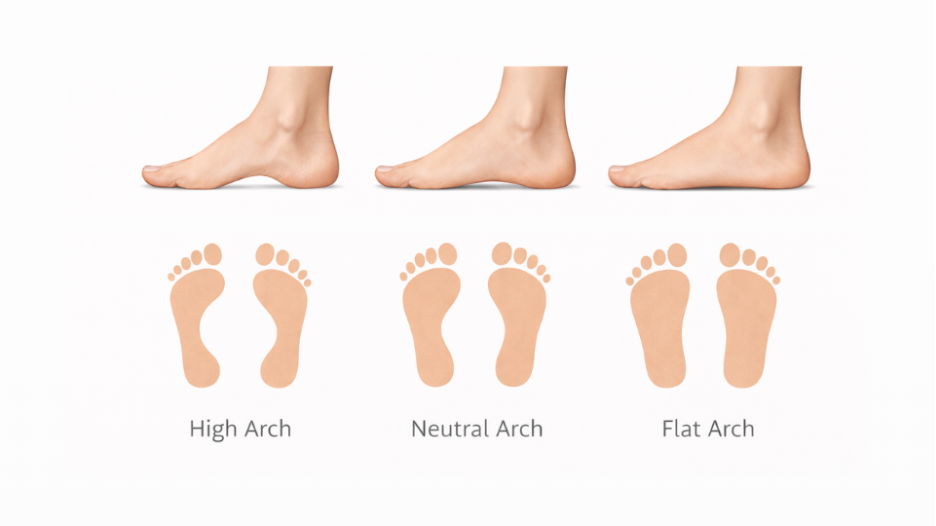
There are three primary types of arches, each affecting foot function differently:
Identifying your arch type matters because it influences comfort, stability, and injury risk. For a deeper comparison between arch structures, this guide on flat foot vs. high arch foot provides helpful context.
Certain physical characteristics and wear patterns can indicate the presence of high arches. Common indicators include:
Some individuals also notice a higher-than-average foot profile and look for ways to determine how do you know if you have a high instep. A high instep refers to increased height on the top of the foot and often appears alongside high arches. While related, these features can affect comfort and shoe fit in different ways.
Symptoms associated with high arch feet often develop gradually and may worsen over time. Common concerns include:
Because pressure is concentrated on fewer areas of the foot, discomfort may become more noticeable during activity or extended time on your feet.
High arches limit the foot’s ability to absorb shock efficiently. As a result, impact forces are transferred upward through the ankles, knees, hips, and lower back. Over time, this can contribute to altered walking mechanics, posture-related strain, and an increased risk of stress injuries.
Addressing arch-related mechanics early can help reduce unnecessary stress throughout the lower body and support healthier movement patterns.
Footwear plays a critical role in managing comfort for individuals with high arches. The most supportive shoes for high arches typically include:
Stiff or minimalist shoes often lack sufficient cushioning and may worsen discomfort for those with high arches.
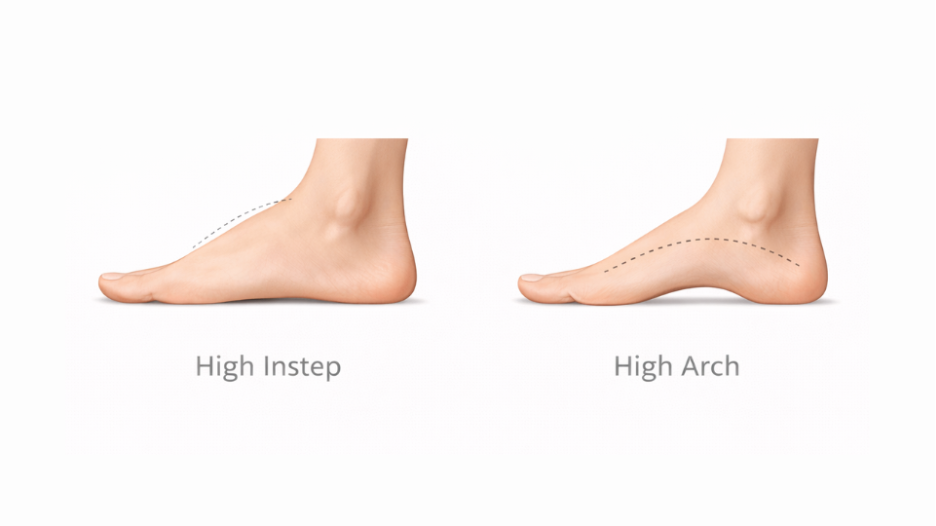
Although often discussed together, a high instep and high arch are not the same. A high arch refers to the shape of the underside of the foot, while a high instep affects the top of the foot and influences how shoes fit.
Some individuals may have one without the other, while others experience both. Understanding this distinction helps guide footwear selection and overall support needs.
Professional evaluation may be beneficial if you experience:
Early assessment can help prevent symptoms from progressing and reduce the risk of long-term complications.
Recognizing if you have high arches can be an important step toward improving comfort, stability, and long-term foot health. With appropriate footwear and support, many individuals with high arches are able to reduce pain and maintain an active lifestyle.
If foot discomfort or instability is affecting your daily activities, professional guidance can help clarify your arch type and support needs. Book an appointment online with FAS The Woodlands to take the next step toward healthier, more comfortable movement.
📍 Serving The Woodlands, Huntsville, and Houston

Diabetes commonly causes peripheral neuropathy, reducing sensation in the feet, and peripheral arterial disease, which slows wound healing.

Discover expert tips to prevent sports injuries and manage flat feet ache. Learn how proper footwear, stretches, and professional care from Foot & Ankle Specialists