
Diabetic Foot Care: A Daily Checklist to Prevent Complications
Diabetes commonly causes peripheral neuropathy, reducing sensation in the feet, and peripheral arterial disease, which slows wound healing.
Read More
--(3-x-1-in).jpg)
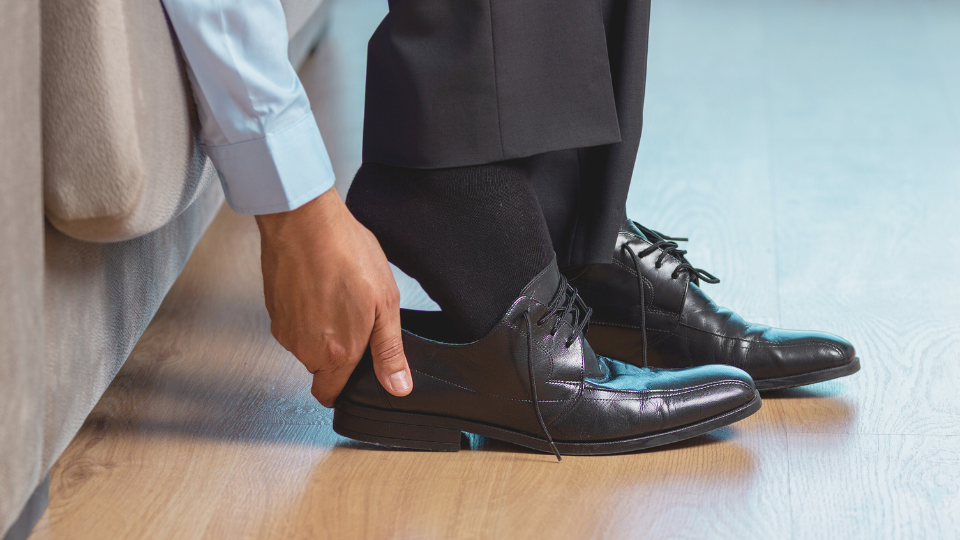


Wearing shoes that are too tight may seem like a minor inconvenience, but the effects can go far beyond simple discomfort. Small or narrow footwear places excessive pressure on the skin, joints, and nerves, often leading to pain, irritation, and long-term foot changes. Understanding what happens when your shoes are too small can help you avoid preventable injuries and protect your foot health over time.
Whether you’ve experienced rubbing, pinching, or lingering soreness after wearing tight shoes, this guide breaks down the most common tight shoes symptoms, how they develop, and what to do if your feet are already feeling the impact.
When shoes don’t provide enough room for your toes or the front of your foot, every step forces the foot into an unnatural position. This affects the skin, nerves, blood flow, and even the structure of the foot.
Here’s what happens inside your shoes:
These issues explain why wearing shoes too small is more than discomfort, it’s a risk factor for long-term deformities and chronic pain.
Toe pain is often the first warning sign of a shoe that is too small. Constant pressure irritates joints and strains surrounding tissues. This is one of the most common tight shoes symptoms and should not be ignored.
Small shoes increase friction on the toes and sides of the feet. Over time, the skin reacts to protect itself, which can lead to:
These issues may worsen with continued irritation and can even become infected.
When shoes compress the digital nerves along the toes, patients may experience:
Tight shoes on feet can make this feel more frequent or severe, especially during long periods of standing.
Shoes that are too small push the toenails into the skin or force them against the top of the shoe. This can cause:
These symptoms are especially common in runners and people who wear narrow or pointed footwear.
Chronic compression can contribute to progressive structural changes, including:
These often develop slowly but can worsen significantly with continued wearing shoes too small.
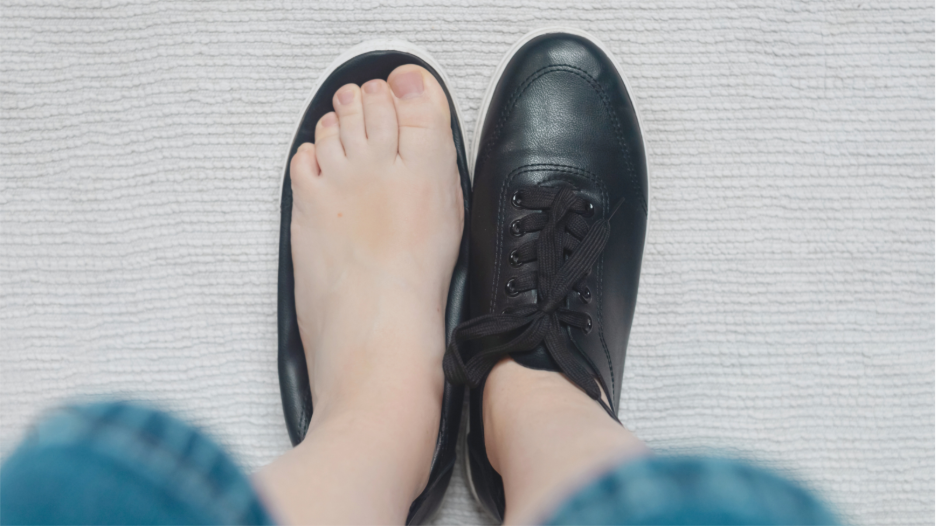
Over time, the consequences of wearing shoes that are too small become more noticeable. Patients may experience:
Proper shoe fit is essential for long-term foot health. In fact, the American Podiatric Medical Association (APMA) emphasizes that ill-fitting footwear is one of the leading contributors to chronic foot pain, toe deformities, and nail problems, reinforcing how important proper shoe design and fit are for preventing injury.
Although anyone can develop symptoms from tight shoes, certain groups are more vulnerable:
These groups should be especially careful with shoe sizing and fit.
Your shoes may be too tight if you notice:
If wearing tight shoes causes discomfort quickly, it's a sign that the fit may be causing damage.
Good footwear can prevent many of the issues listed above. To protect your feet:
For more help choosing footwear that prevents pressure, rubbing, and foot pain, explore our related guide on the best shoes for foot pain. It explains what to look for in supportive shoes and how proper fit can reduce the risk of injury.
Schedule an evaluation if you experience:
A podiatrist can determine whether tight shoes contributed to your symptoms and provide personalized treatment recommendations.
Understanding what happens when your shoes are too small can help you prevent long-term foot problems before they begin. If tight shoes are causing discomfort or noticeable changes, it’s important to address the issue early.
Book an appointment today with FAS The Woodlands to get personalized foot care and expert guidance on healthy footwear choices.
📍 Serving The Woodlands, Huntsville, and Houston
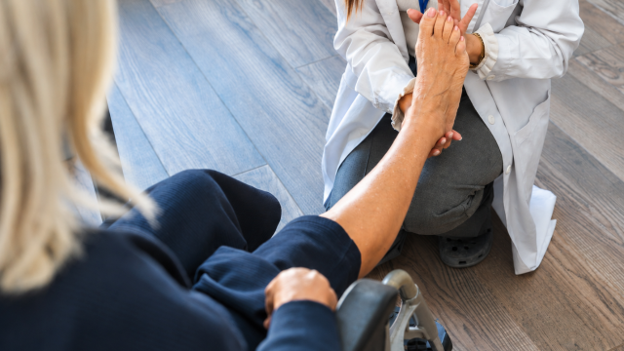
Diabetes commonly causes peripheral neuropathy, reducing sensation in the feet, and peripheral arterial disease, which slows wound healing.

Discover expert tips to prevent sports injuries and manage flat feet ache. Learn how proper footwear, stretches, and professional care from Foot & Ankle Specialists