
Diabetic Foot Care: A Daily Checklist to Prevent Complications
Diabetes commonly causes peripheral neuropathy, reducing sensation in the feet, and peripheral arterial disease, which slows wound healing.
Read More
--(3-x-1-in).jpg)
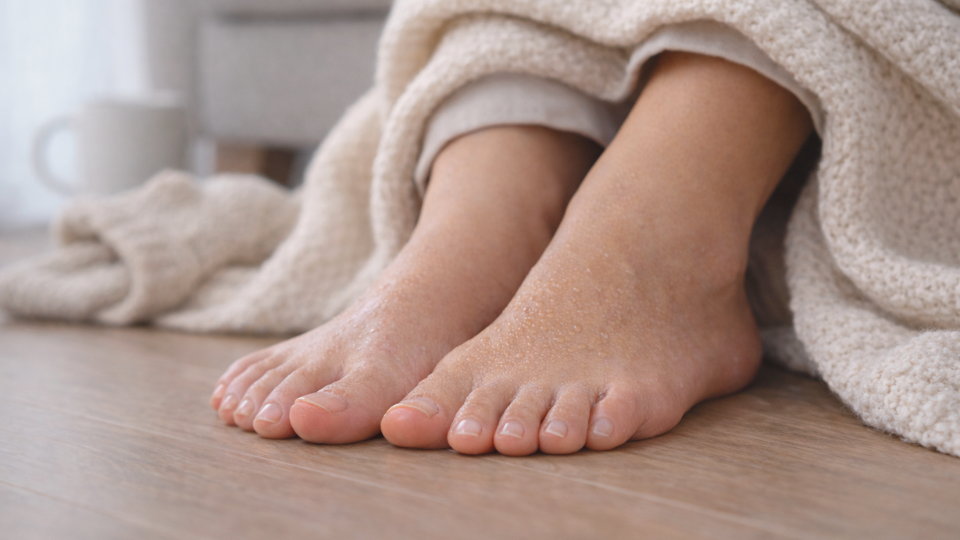


Experiencing cold feet and sweaty sensations at the same time can feel unusual. Normally, coldness is associated with low temperatures, while sweating occurs in warm environments. When both happen together, it may reflect changes in circulation, nerve regulation, or sweat gland activity.
In many cases, symptoms are temporary and harmless. However, persistent episodes may indicate an underlying issue affecting blood flow or nerve function. Understanding the cause helps determine whether simple adjustments are sufficient or whether professional evaluation is appropriate.
This combination often results from a mismatch between temperature regulation and sweat production. The body relies on coordinated blood flow and nerve signaling to maintain proper skin temperature and moisture balance. When these systems fall out of sync, the feet may feel cold while still producing excess sweat.
Blood vessels control warmth by widening to increase circulation or narrowing to conserve heat. If blood vessels constrict excessively, the feet may feel cold even in comfortable environments. At the same time, the autonomic nervous system regulates sweat glands. If this system becomes overactive or imbalanced, moisture may be produced despite reduced skin temperature.
This physiological imbalance commonly leads to the uncomfortable sensation of cold and sweaty feet.
Several medical and environmental factors may contribute to cold feet and sweaty symptoms.
Reduced blood flow to the lower extremities can leave the feet feeling persistently cool. Conditions affecting vascular health, including peripheral artery concerns or diabetes, may interfere with normal temperature regulation.
The nerves responsible for regulating sweat and blood vessel constriction are part of the autonomic nervous system. When nerve signaling becomes irregular, sweat production and temperature control may fall out of sync. In some cases, symptoms may relate to early neuropathy. A comprehensive evaluation through the neuropathy service page can help determine whether nerve health is contributing to symptoms.
Some individuals naturally experience excessive perspiration. When feet are cold and sweaty, hyperhidrosis may be present even without significant temperature change. For additional insight into excessive perspiration, you may find it helpful to review this resource on sweaty feet causes and treatment.
Stress activates the sympathetic nervous system, which can cause blood vessels to constrict while simultaneously stimulating sweat glands. This combination may result in episodes where the feet feel cold yet damp.
Occasional episodes of feet cold and sweaty can occur without underlying disease. Situations that may cause short-lived symptoms include:
If symptoms resolve quickly, do not cause discomfort, and are not accompanied by color or sensation changes; they are often benign.
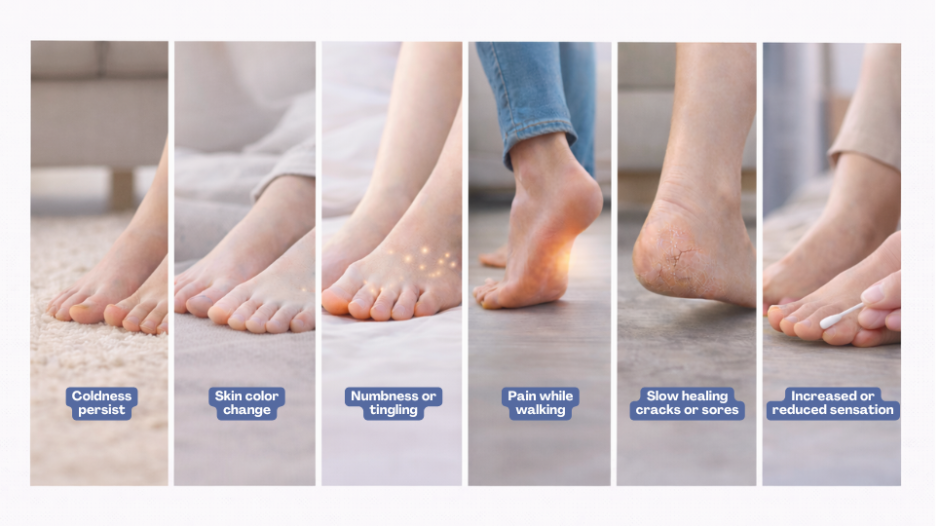
Persistent cold sweaty feet accompanied by additional symptoms may require medical evaluation:
Ongoing symptoms should not be dismissed, especially in individuals with diabetes or vascular conditions.
Proper circulation delivers oxygen and warmth to tissues in the lower extremities. When blood flow becomes restricted, the feet may remain cool even when the rest of the body feels comfortable.
At the same time, autonomic nerves control sweat production. Disruption in nerve signaling may explain symptoms described as why my feet are sweating but are cold, where moisture persists despite decreased skin temperature. Over time, untreated circulation or nerve issues can affect skin integrity and healing capacity, increasing the risk of complications.
When symptoms are mild, several strategies may improve comfort:
Monitoring patterns is important. If cold feet and sweaty sensations become more frequent or severe, evaluation may be warranted.
Professional assessment is recommended when:
A thorough podiatric evaluation can help determine whether vascular changes, nerve dysfunction, or abnormal sweat gland activity are contributing factors. Early assessment helps prevent complications and supports long-term foot health.
If cold feet and sweaty symptoms are affecting your daily comfort or raising concerns about circulation or nerve health, professional evaluation can provide clarity and direction.
If ongoing coldness and excess moisture in your feet are affecting your comfort, professional evaluation can help clarify the cause, FAS The Woodlands serves patients in The Woodlands, Huntsville, and the greater Houston area with comprehensive diagnostic and treatment options. You can book an appointment online to receive individualized care focused on protecting long-term foot health.

Diabetes commonly causes peripheral neuropathy, reducing sensation in the feet, and peripheral arterial disease, which slows wound healing.

Discover expert tips to prevent sports injuries and manage flat feet ache. Learn how proper footwear, stretches, and professional care from Foot & Ankle Specialists