
Custom Orthotics: What They Are, Who Needs Them, and How They Work
Custom orthotics are among the most effective tools available for managing a wide range of foot and ankle problems
Read More

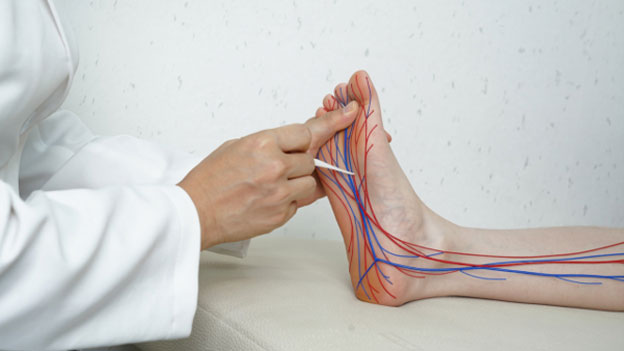


Peripheral neuropathy is among the conditions that most often require a careful, coordinated approach in foot and ankle care, because it affects both how the feet feel and how well they are protected. When the nerves that carry sensation from the feet are damaged, the usual warning signals of pain, pressure, and temperature may be dulled or distorted, allowing small injuries to go unnoticed and to progress. At Foot and Ankle Specialists of The Woodlands, our approach is to identify the cause, evaluate the risks to the foot, and create an individualized plan that protects the patient over the long term.
The Mayo Clinic Care Network describes peripheral neuropathy as the result of nerve damage, often causing numbness and pain, usually in the hands and feet. Mayo Clinic notes that people with peripheral neuropathy generally describe the pain as stabbing, burning, or tingling, and that weakness, numbness, and pain from damage to the peripheral nerves usually occur in the hands and feet.
According to Mayo Clinic, causes include traumatic injuries, infections, metabolic problems, inherited causes, and exposure to toxins, and one of the most common causes is diabetes. The Mayo Clinic Care Network adds that while diabetes is a common cause, neuropathy can also result from injuries, infections, and exposure to toxins. Because the cause shapes the treatment, identifying it is a central part of the evaluation.
Symptoms vary from patient to patient and may develop gradually. Patients commonly report:
The central risk of neuropathy in the feet is not discomfort alone but the loss of protective sensation. A patient who cannot feel a pebble in a shoe, a blister forming, or a pressure point developing may walk on the injury for days. When this is combined with reduced circulation, which slows healing, a minor wound can become a serious one. For this reason, patients with neuropathy benefit from regular professional foot examinations and a consistent daily foot care routine.
Evaluation begins with a detailed history, including any underlying conditions, medications, and the pattern of symptoms, followed by a physical examination of the feet and lower legs. Our providers assess sensation, reflexes, strength, balance, skin integrity, foot structure, and circulation. Additional testing may be recommended to identify the underlying cause or to rule out other conditions that can mimic neuropathy.
Treatment generally has several goals: addressing the underlying cause, managing symptoms, and protecting the feet. The Mayo Clinic Care Network notes that medications can treat painful symptoms, which may improve over time, especially if the underlying condition is treated. In the foot and ankle setting, a comprehensive plan may include:
Numbness, tingling, and cool or discolored skin can arise from nerve damage, from reduced blood flow, or from both, and the conditions frequently coexist, particularly in patients with diabetes. Because the two problems call for different approaches, our evaluation includes an assessment of pulses and other signs of circulation alongside testing of sensation, so that the plan addresses everything that is affecting the foot, not only the most obvious symptom.
A visit with our team typically includes a detailed conversation about symptoms and health history, a hands-on examination of the feet and lower legs, a review of footwear, and a clear explanation of the findings. Patients leave with a defined plan, including what to do at home, what to watch for, and when to return, so that they are never left to guess how to protect their feet.
Schedule an evaluation if you notice numbness, tingling, or burning in the feet, if a cut or sore is slow to heal, or if you have diabetes and have not had a recent comprehensive foot examination. Early evaluation allows protective measures to be put in place before complications develop.
Our team is proud to offer advanced, expert foot and ankle care and to stay a step ahead of neuropathy-related complications. Foot & Ankle Specialists of The Woodlands proudly serves The Woodlands, Huntsville and Downtown Houston. Book an appointment today.
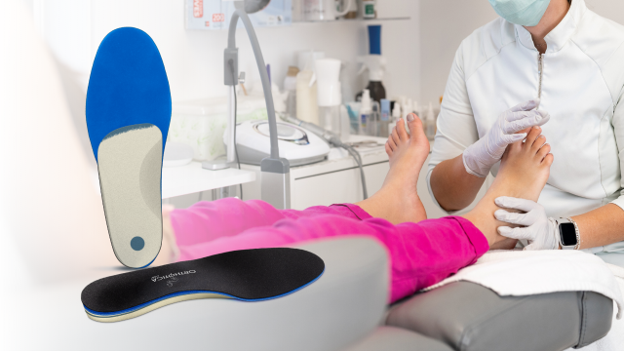
Custom orthotics are among the most effective tools available for managing a wide range of foot and ankle problems

Corns and calluses are among the most common foot concerns we see, and while they are often dismissed as a minor nuisance