
Diabetic Foot Care: A Daily Checklist to Prevent Complications
Diabetes commonly causes peripheral neuropathy, reducing sensation in the feet, and peripheral arterial disease, which slows wound healing.
Read More
--(3-x-1-in).jpg)
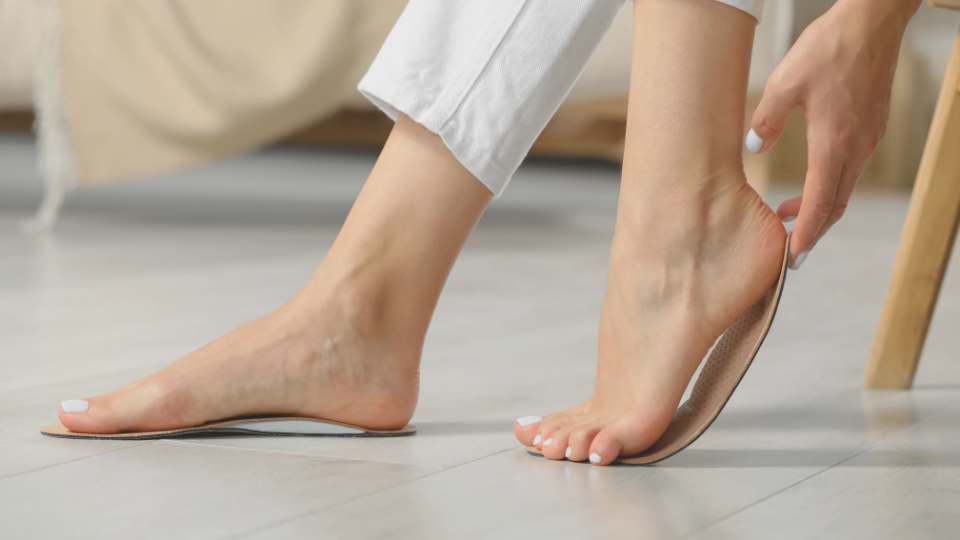


Foot pain, fatigue, and alignment issues affect people of all ages and activity levels. Whether discomfort shows up during long days on your feet, exercise, or routine walking, the way your feet are supported plays a significant role in overall comfort and mobility. For many individuals, shoe inserts are often the first thing they try, but not all inserts work the same way.
This is where orthotics come in. Understanding what are orthotics, how they differ from standard insoles, and when custom support may be beneficial can help you make informed decisions about foot care. This guide explains the purpose of orthotics, the benefits they offer, and when professional guidance is recommended, especially for conditions like plantar fasciitis and ongoing foot pain.
Orthotics are specialized shoe inserts designed to support the feet, improve alignment, and help the body move more efficiently. A simple orthotics definition is that they are medical devices placed inside shoes to correct or accommodate biomechanical issues in the feet.
Unlike standard insoles that provide general cushioning, orthotics are intended to influence how the foot functions during standing and walking. They may help control excessive motion, redistribute pressure, and reduce strain on muscles, joints, and connective tissue throughout the lower body.
Orthotics are commonly used to manage foot pain, improve stability, and support conditions that worsen with improper alignment.
Every step you take places stress on your feet. When alignment is off, whether due to flat feet, high arches, or abnormal gait patterns, pressure is unevenly distributed. Over time, this can lead to pain not only in the feet, but also in the ankles, knees, hips, and lower back.
Orthotics work by guiding the foot into a more neutral position. This improved alignment helps:
By supporting proper mechanics at the foundation, orthotics can have benefits that extend beyond the foot itself.
Orthotics can provide meaningful benefits when they are properly selected and guided by a podiatrist. Because foot structure and movement patterns vary widely, professional evaluation helps ensure the support being used is appropriate and effective.
When guided by a podiatrist, orthotics may help:
Professional guidance is especially important for ongoing or condition-related pain, where improper support may delay improvement rather than help it.
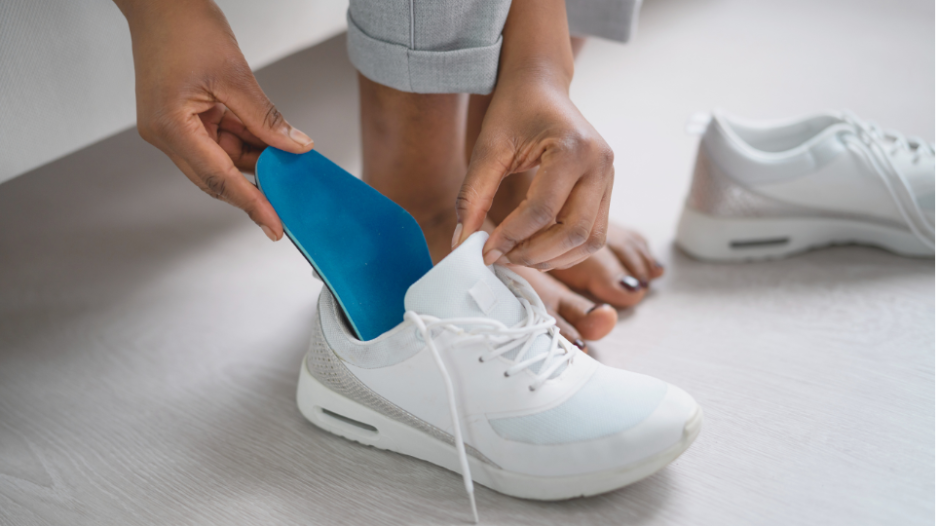
One of the most common reasons orthotics are recommended is heel pain caused by plantar fasciitis. In these cases, plantar fasciitis and custom orthotics are often discussed together because targeted support can reduce strain on the plantar fascia and promote healing.
Orthotics for plantar conditions help by supporting the arch, stabilizing foot motion, and reducing excessive tension during walking. While over-the-counter options may help mild symptoms, persistent heel pain often benefits from more tailored support.
For those exploring professional guidance and long-term solutions, additional information about orthotic care is available on our orthotics services page.
Both over-the-counter and custom orthotics can play a role in supporting foot health; it often depends on the individual, the severity of symptoms, and the underlying cause of discomfort.
Over-the-counter orthotics are widely available and designed to provide general support and cushioning. They may be helpful for mild foot fatigue, occasional discomfort, or short-term support, especially when paired with well-fitting shoes. For some people, these inserts offer enough relief to improve comfort during daily activities.
Custom orthotics, however, are designed to address specific biomechanical issues. They are often recommended when pain is persistent, when foot structure contributes to symptoms, or when conditions such as plantar fasciitis do not improve with basic measures. Custom support is tailored to how a person’s feet move and bear weight, making it more suitable for long-term management or more complex cases.
Understanding which option is appropriate depends on individual symptoms and goals. For a more detailed comparison, this guide on custom orthotics vs. over-the-counter insoles offers helpful insight into choosing the right type of support.
Custom support may be recommended if you experience:
Early evaluation can help prevent symptoms from becoming chronic and reduce the risk of compensatory pain elsewhere in the body.
Orthotics are more than shoe inserts, they are tools designed to improve function, reduce pain, and support long-term foot health. Understanding what are orthotics and knowing when custom support is appropriate can make a meaningful difference in comfort and mobility.
If foot pain or alignment issues are affecting your daily life, professional guidance can help determine the most effective solution. Book an appointment online with FAS The Woodlands to explore whether orthotics are right for your needs and take the next step toward healthier movement.

Diabetes commonly causes peripheral neuropathy, reducing sensation in the feet, and peripheral arterial disease, which slows wound healing.

Discover expert tips to prevent sports injuries and manage flat feet ache. Learn how proper footwear, stretches, and professional care from Foot & Ankle Specialists